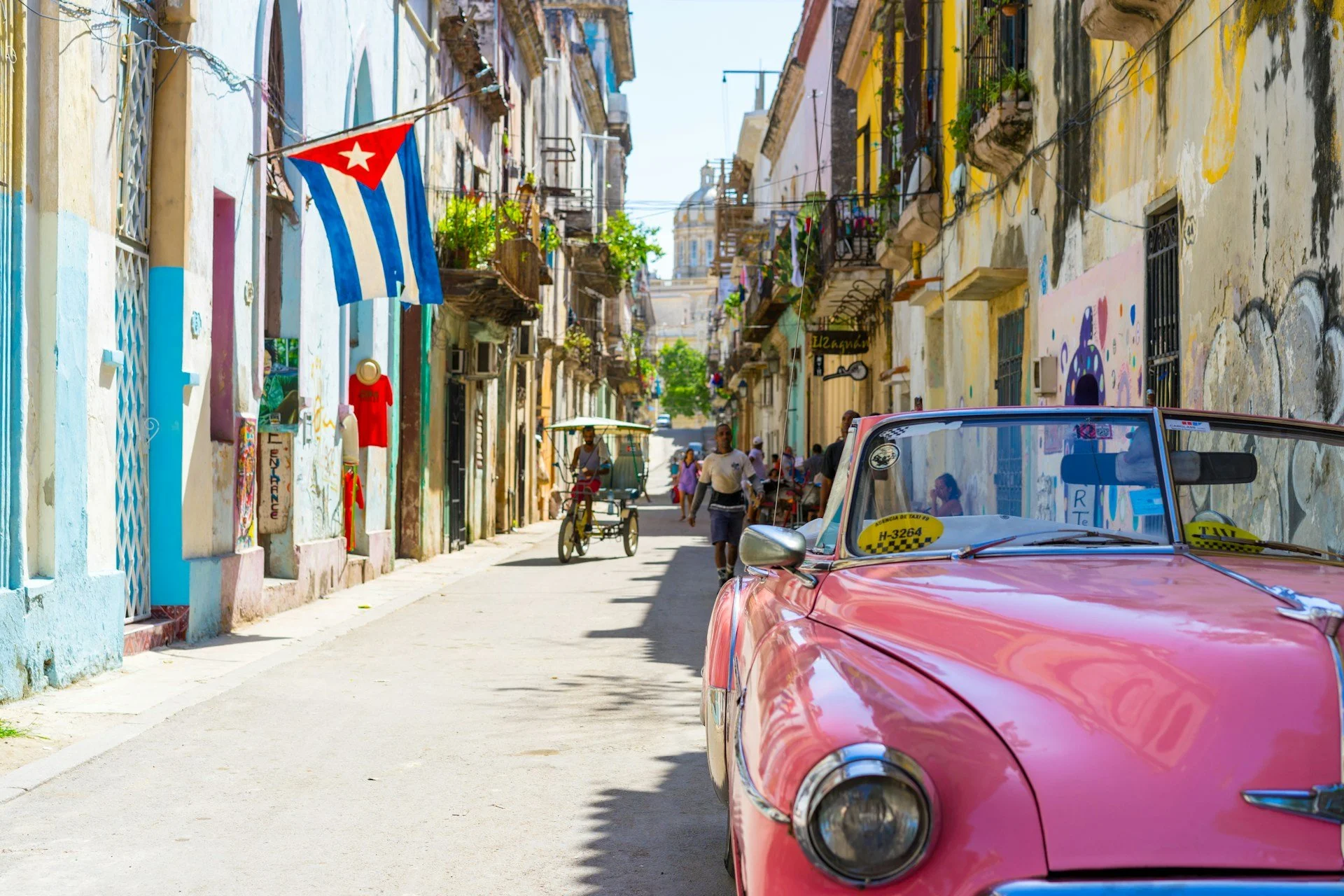
A Classic Pink Convertible Cruising through the Vibrant Streets of Old Havana
Cuba had long been on our travel wish list, but for my dad, visiting the island was a lifelong dream. In April 2017, we finally made that dream a reality, spending eight unforgettable days exploring a country unlike anywhere we'd ever been.
It was a fascinating time to visit. For decades, Cuba had been largely off-limits to American travelers, but when President Obama eased travel restrictions, a whole new world of possibilities opened up. #thanksobama (umm, for EVERYTHING, not just Cuba).
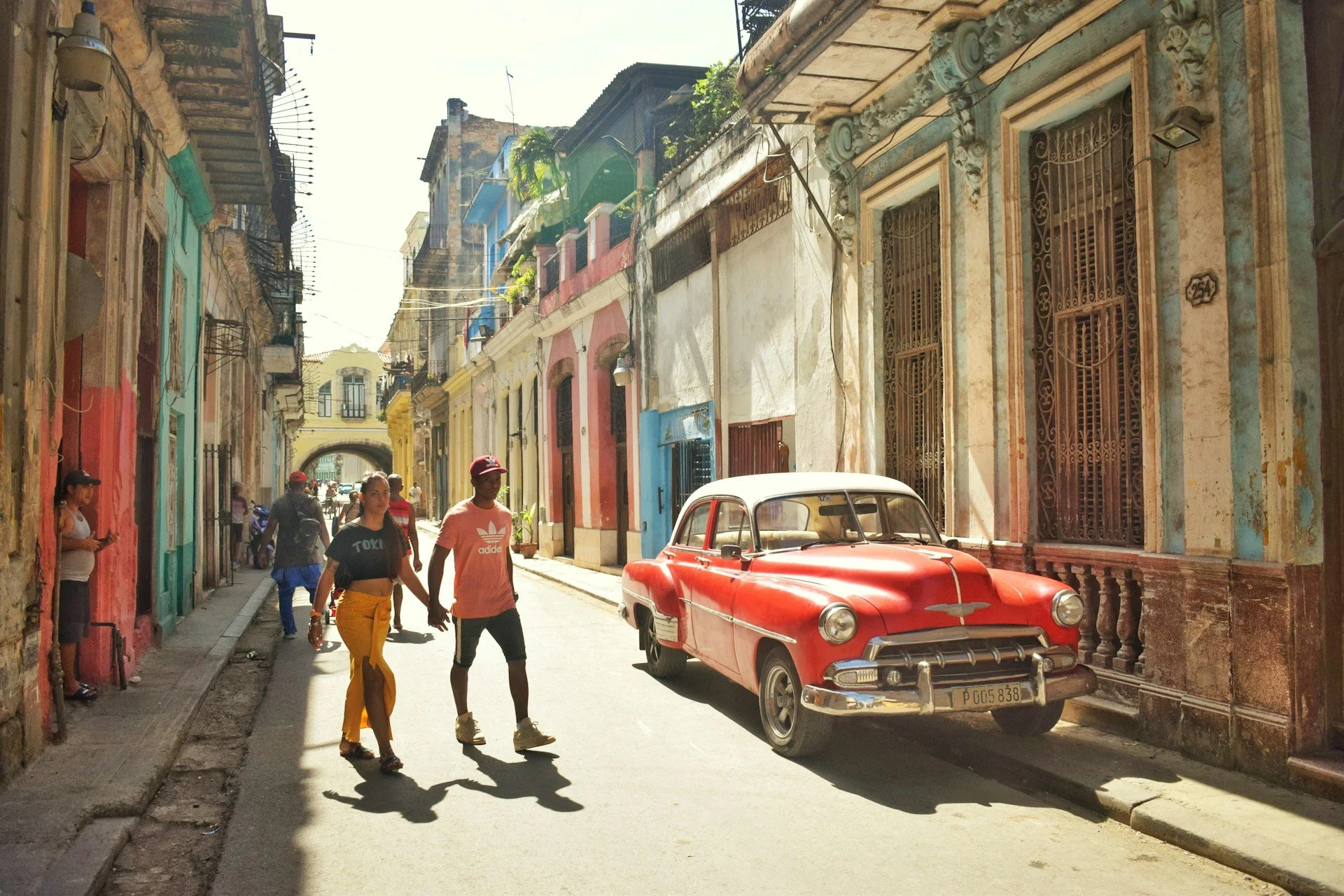
Although a mere ninety miles from Miami, Cuba feels like a world away - a true step back in time that will undoubtedly amaze and bewilder you all at once. From Havana's colorful streets and iconic vintage cars to the lush tobacco fields of Viñales, we were captivated by its beauty, history, culture, and contradictions. We also met so many warm and hospitable people who were genuinely excited to welcome American visitors.
Nearly a decade later, much has changed, particularly regarding travel restrictions and everyday life on the island. While our experiences reflect our 2017 visit, I've updated the practical information to help travelers understand what to expect today. And the memories of that trip, especially sharing it with my dad, remain some of our most treasured.
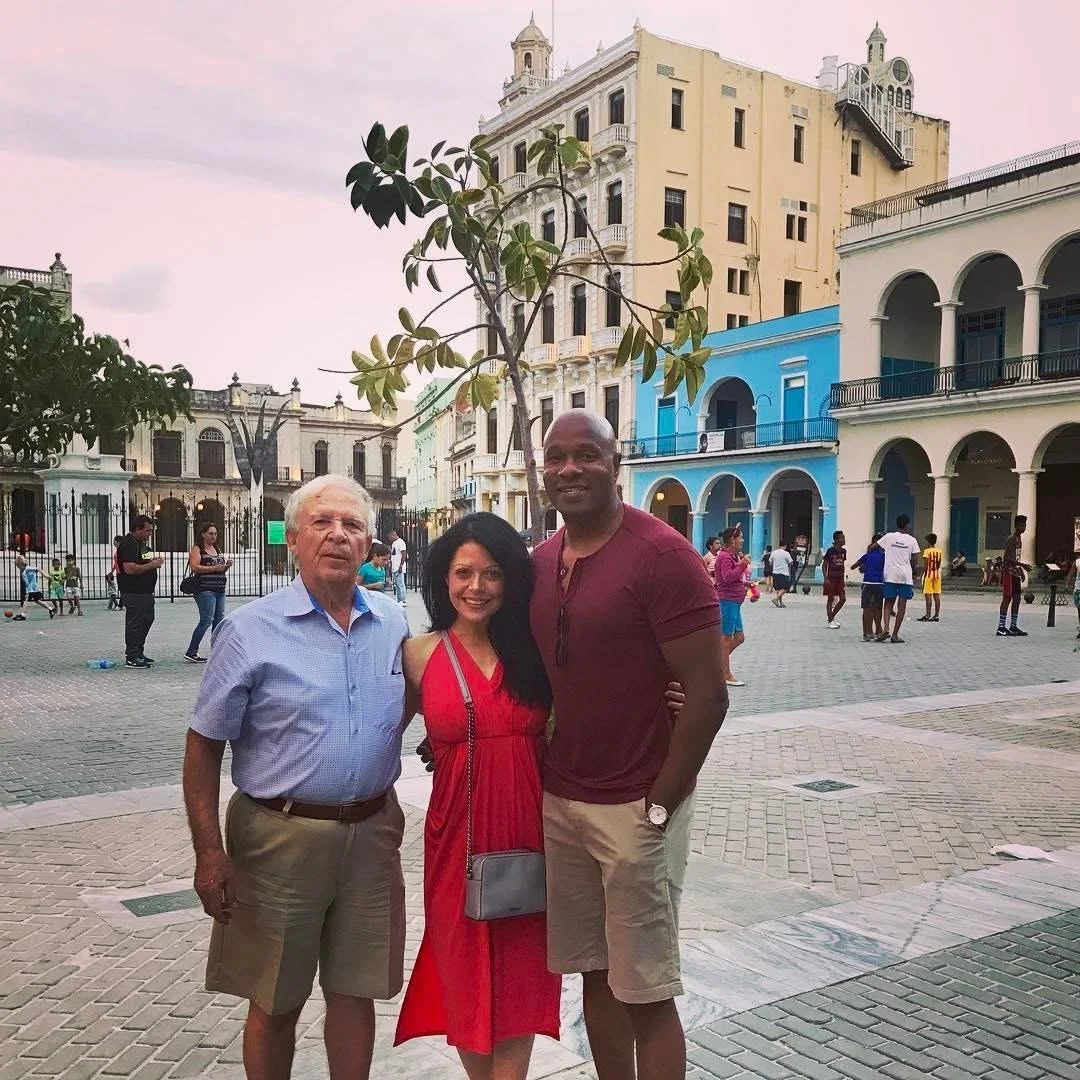
Making Memories with My Dad and T in the Heart of Old Havana
Easy Does It: The Only Visa You'll Actually Need (and Other Important Information)
While Cuba is relatively close to the United States, visiting requires more planning than your typical Caribbean getaway.
We booked our 2017 trip through Cuba to Do, a licensed tour company that handled everything from flights and visas to accommodations and guided experiences. They were fantastic! While I'm unsure if they're still operating, I highly recommend working with a reputable company familiar with Cuba's travel regulations.
Important: Americans cannot visit Cuba solely for tourism. Travelers must qualify under one of twelve authorized categories. We traveled under the educational people-to-people category, which is no longer generally available for individual travel. Today, Support for the Cuban People is a commonly used option, requiring meaningful engagement with independent Cuban businesses and residents.
You'll also need to meet Cuba's entry requirements, including obtaining the appropriate visa, and follow applicable U.S. restrictions.
My advice? Do your homework before booking. Cuba isn't a destination where you want to figure everything out as you go!
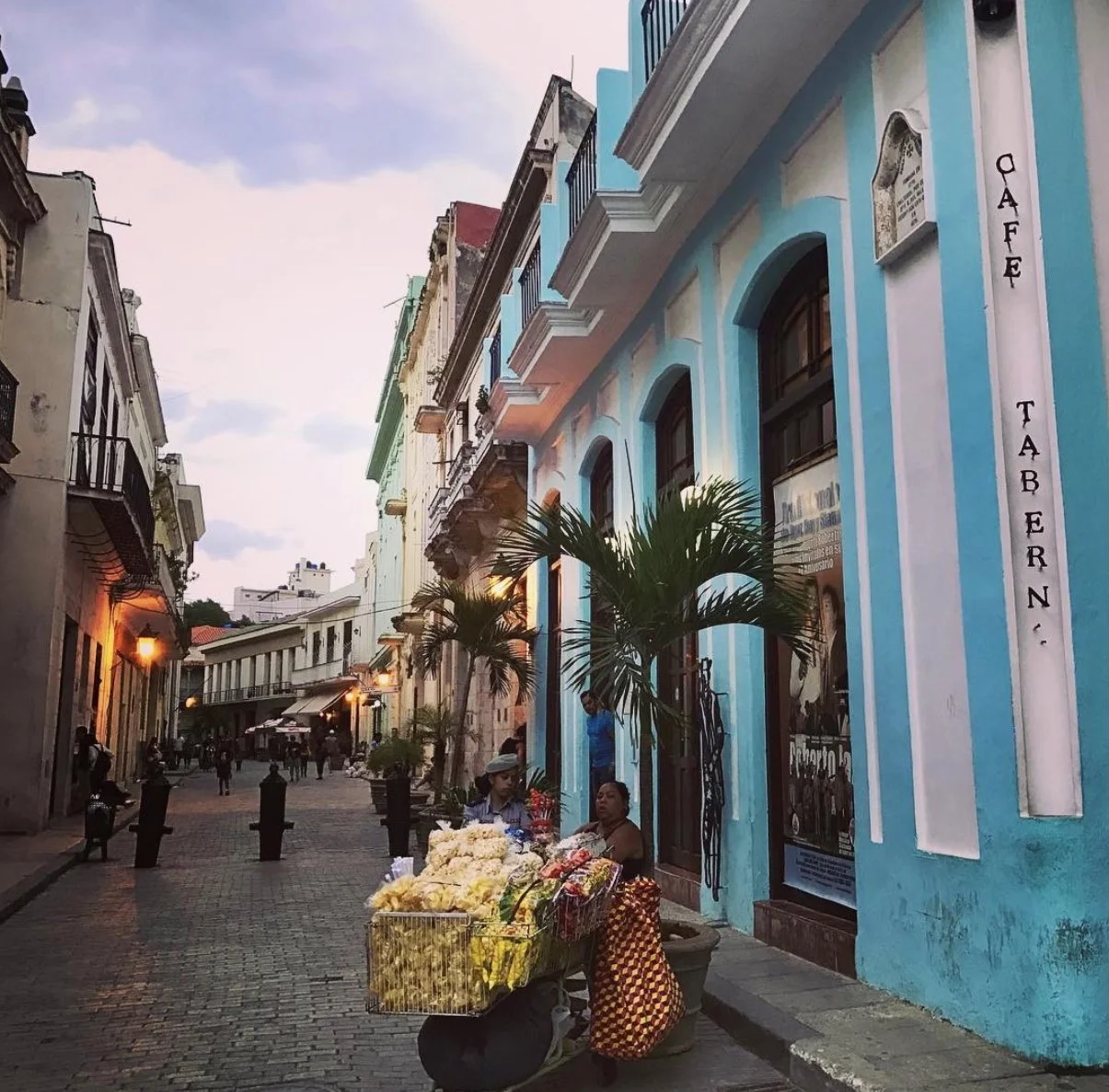
A Colorful Glimpse of Old Havana, Where Cobblestone Streets, Historic Architecture, and Everyday Life Come Together
Money Can't Buy Happiness, But Cash Will Certainly Get You Far
Cuba was practically a cash-only society when we visited, and cash remains king, especially for American travelers. U.S.-issued credit and debit cards generally don't work, so bring plenty of cash! When we visited, Cuba had two currencies, the CUP and CUC (pronounced "kooks"). The CUC was eliminated in 2021, leaving the Cuban peso (CUP) as the national currency. Exchange rates and payment practices vary, so do your homework before traveling.
And don't assume Cuba is cheap! Havana has trendy rooftop restaurants and bars that rival Miami's, with prices to match. My dad learned the hard way when he didn't bring enough cash. Luckily, he had us to bail him out! 🙂
Moral of the story? Bring yo money, honey!
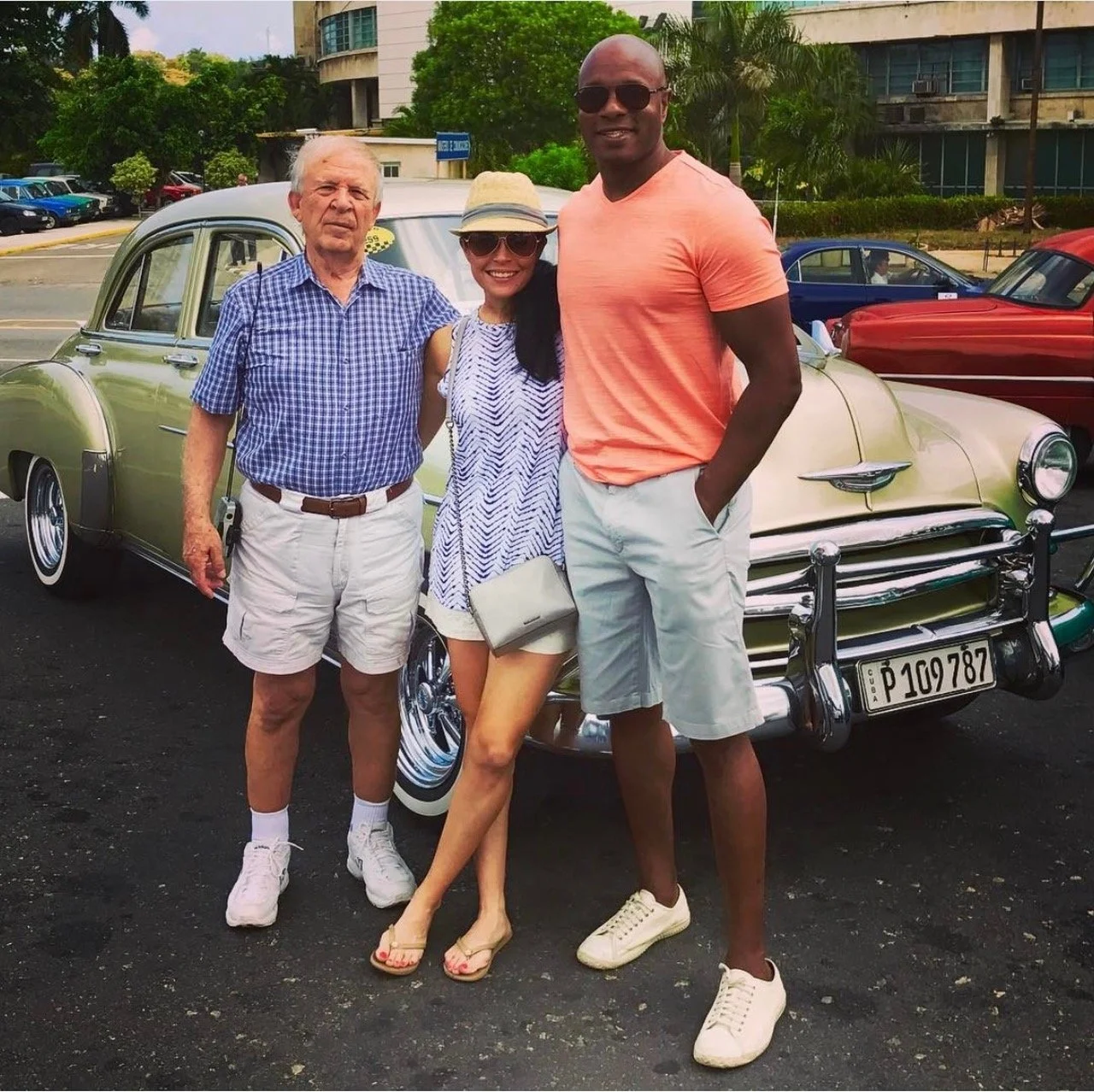
Our Sweet Ride in Havana
Spontaneous Travelers: Take Note
This is really a continuation of the section above, but it's definitely worth reiterating. Book and pay for as many tours and activities in advance as you can.
Even if you're more of an impulsive traveler (I salute you, dear friend, I really do), I beg you to reconsider your approach in Cuba. Transportation can be unpredictable, internet access isn't always reliable, and payment arrangements can be complicated.
Prior to our trip, I booked our Havana walking tour, a cooking and family visit experience, an all-day excursion to Viñales (Cuba's famous tobacco-growing region), and tickets to the spectacular Tropicana cabaret show. All were wonderful highlights of our trip.
I'd also recommend printing or downloading confirmations, addresses, and travel documents before arriving. Yes, actual paper! How very 1995 of us.
Whenever possible, book with independent Cuban guides and locally owned businesses, ensuring your activities comply with your travel authorization.
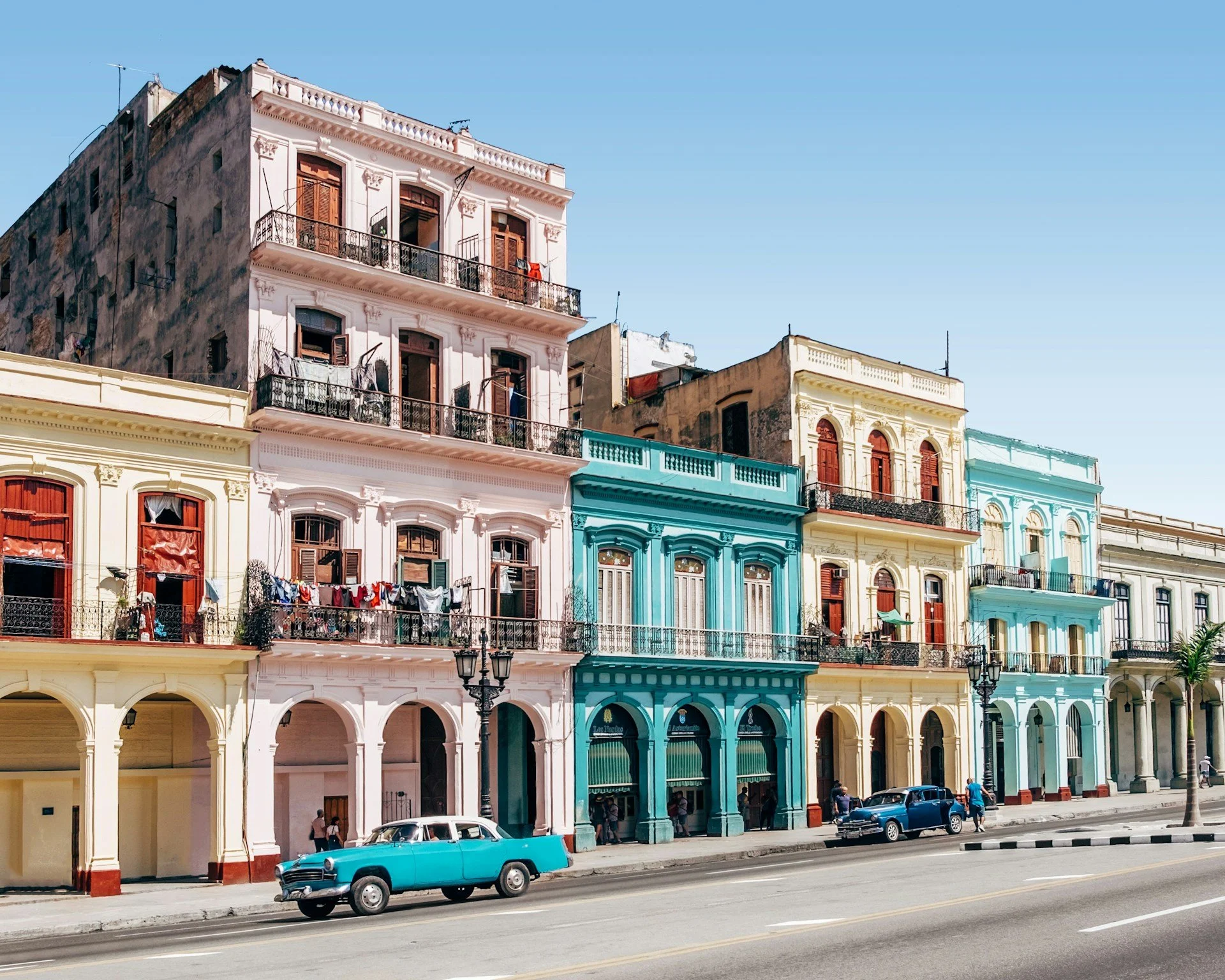
The Cotton Candy Colors of Cuba
Where'd Ya Go, Al Gore?
For those who enjoy disconnecting while traveling, Cuba might be right up your alley. When we visited in 2017, getting online was practically an Olympic sport. We purchased Wi-Fi cards at the lovely Parque Central Hotel, but even then, I was lucky to connect for ten minutes at a time!
Thankfully, internet access has improved considerably since 2017. Wi-Fi and mobile internet are more widespread, although connections can still be slow and unreliable. Download offline maps and check with your phone carrier before traveling.
Connected or not, don't miss Parque Central's fabulous rooftop for a mojito or Cuba Libre while admiring sweeping views of Havana's Gran Teatro and Capitol building (modeled after the U.S. Capitol!). Not a bad place to disconnect, if you ask me.
Oh, the Things We Take for Granted: What to Bring
Bring tissues and hand sanitizer! Even some upscale restaurants and museums lacked toilet paper and soap during our visit. And unlike China, at least Cuba had actual toilets. Hooray for small victories! Pack essential medications, toiletries, and sunscreen, as shortages remain a concern. We visited pharmacies that were practically empty.
Also, bring a universal adapter and portable power bank. Cuba uses both 110- and 220-volt systems, and power outages are common.
Sunshine and Warmth: When to Go
One of the best times to visit Cuba is during the drier season, November through April. We visited in mid-April and enjoyed nearly perfect weather: eighties during the day and low seventies at night. Perfection! A little drizzle on our last day gave us the perfect excuse to explore Havana's wonderful National Museum of Fine Arts. Summers are hotter, more humid, and rainier, with hurricane season running from June through November.
Safety
Cuba was one of the countries where we felt most comfortable walking around, even at night. The locals were warm, welcoming, and proud of their heritage. We experienced little aggressive panhandling and found the culture incredibly friendly.
That said, conditions have changed since our visit. Economic challenges, shortages, and power outages can affect travel, so stay aware of your surroundings and check current travel advisories before departing.
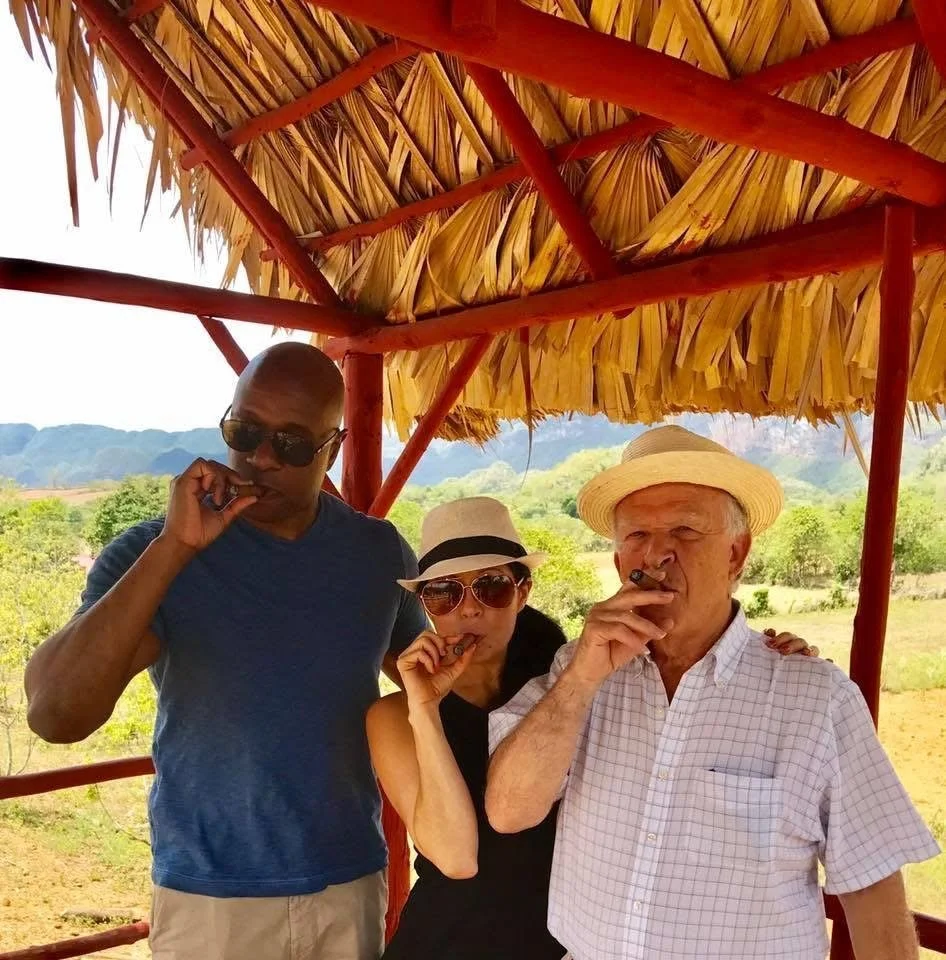
Sampling Freshly Rolled Cuban Cigars with my Dad and T in the Beautiful Viñales Valley
Cuba: A Country of Contradictions
Of all the incredible places we've traveled, Cuba remains one of our most fascinating experiences. From Havana's colorful colonial buildings and classic American cars to the beautiful Viñales Valley and its tobacco farms, we were captivated by the country's history, culture, and charm.
But Cuba is also a country of striking contrasts. Trendy rooftop bars and lively music coexist with crumbling buildings, economic hardships, and limited freedoms. What feels like stepping back in time for visitors is everyday reality for Cubans, many of whom face significant challenges.
What made our trip especially meaningful was sharing it with my dad. Visiting Cuba had been his lifelong dream, and exploring the island together, cruising in vintage cars, and sampling freshly rolled cigars dipped in rum or honey (honey was our favorite!) created memories we'll always treasure.
Cuba is beautiful, complicated, and vibrant. There really is no other place quite like it.
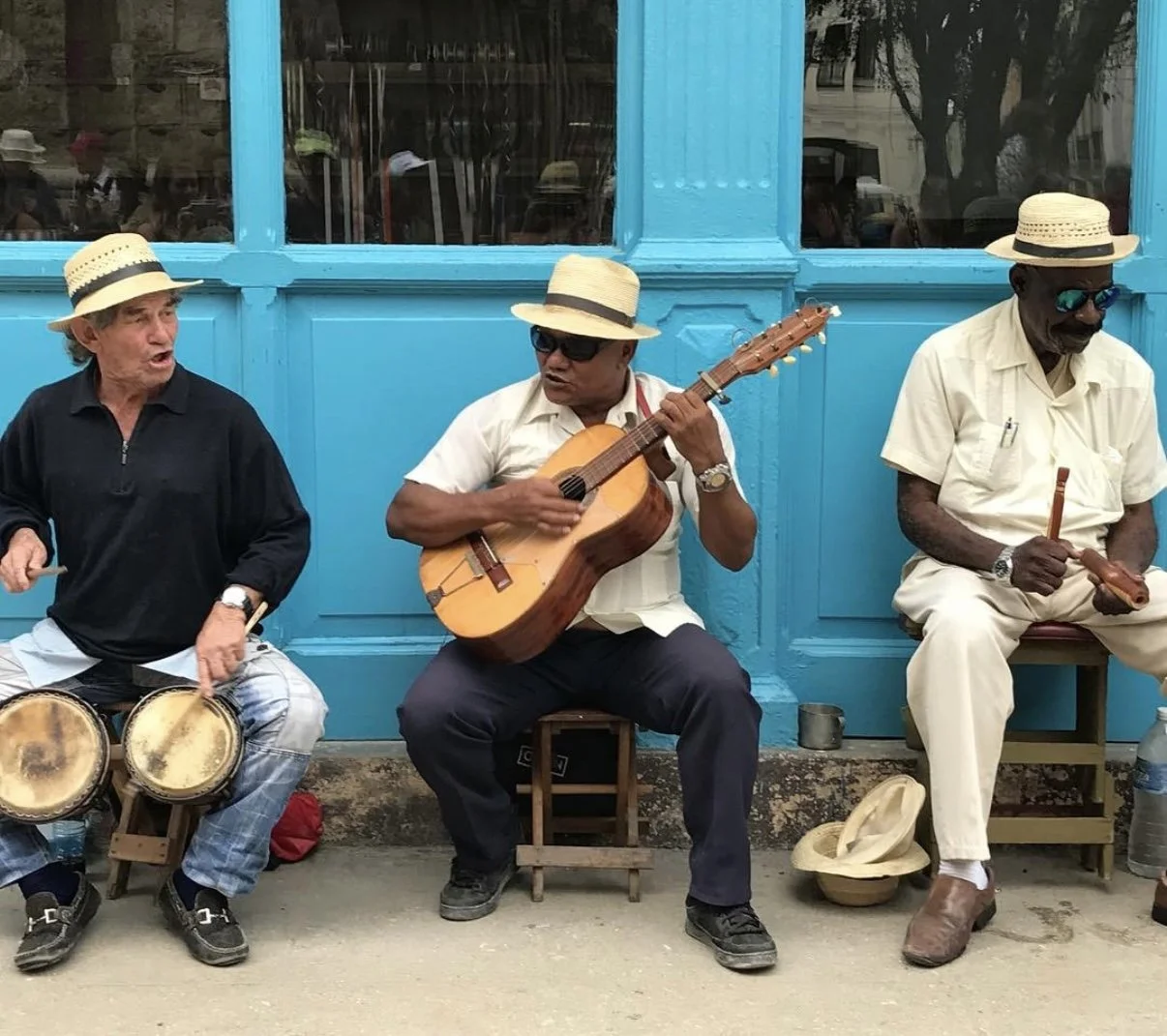
The Lively Sounds of Traditional Cuban Music Fill the Streets of Havana